The Phenomenon of 'Brain Rot': Understanding Its Meaning, Effects, and How to Combat It in the Digital Age
Published: January 2026
In an era dominated by endless scrolling, viral memes, and instant gratification, a new term has entered the cultural lexicon: "brain rot." Coined by Generation Z and amplified across social media platforms, "brain rot" encapsulates the perceived mental deterioration resulting from excessive consumption of low-quality digital content. But is this just slang, or does it point to a deeper crisis in cognitive health? This in-depth article explores the origins, scientific backing, impacts, and practical solutions for brain rot.
What Is Brain Rot?
"Brain rot" refers to the mental sluggishness, reduced attention span, and cognitive fog experienced after prolonged exposure to low-quality online content, especially short-form videos on platforms like TikTok and Instagram Reels. Oxford Languages officially defined it in 2024 as "the deterioration of a person's mental or intellectual state," often linked to overconsumption of trivial digital media.
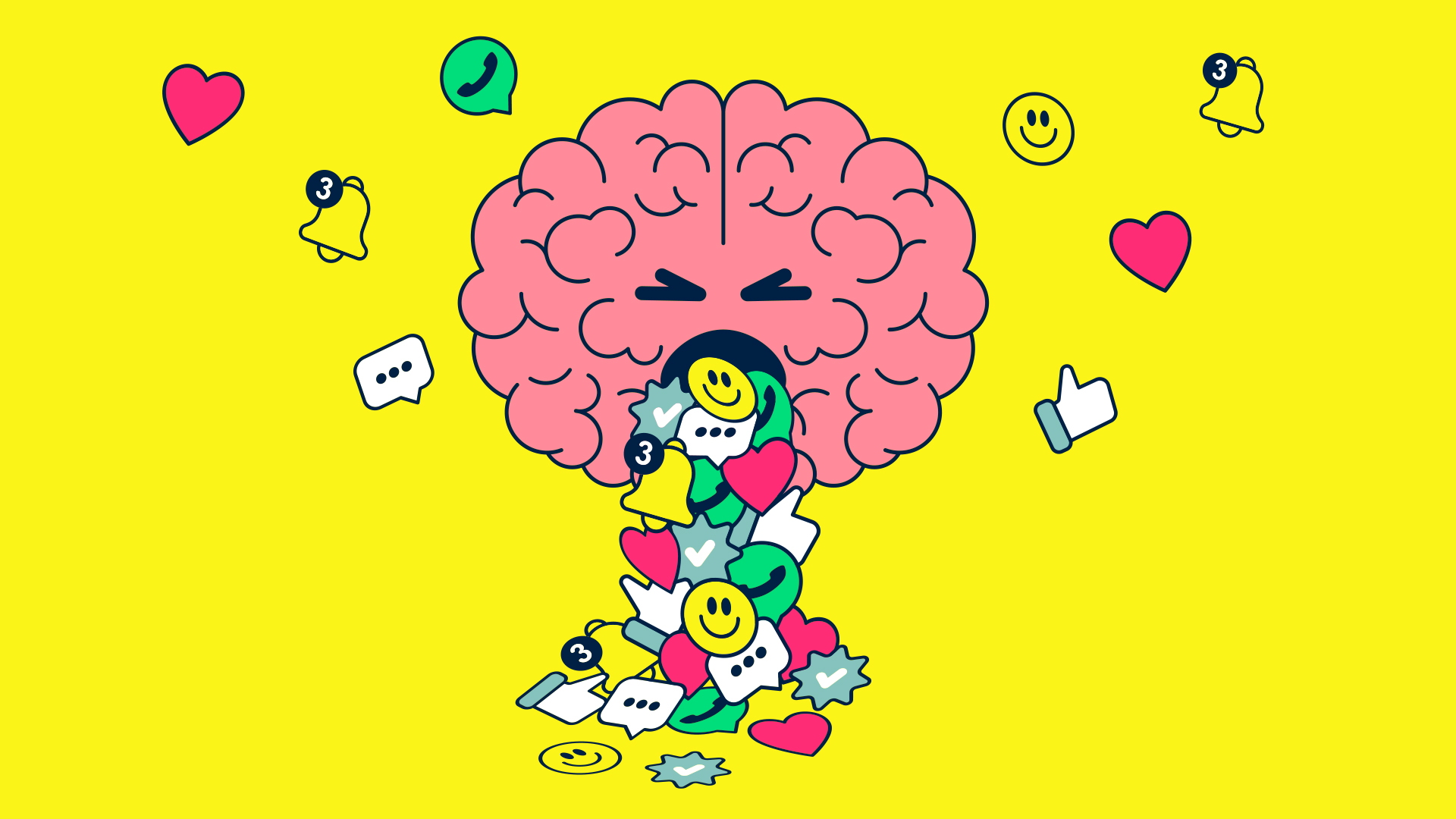
Users describe it as feeling "dumbed down" or mentally exhausted after hours of passive scrolling, where algorithms feed endless streams of superficial entertainment.

Origins and Cultural Spread
The term emerged in online communities around 2020-2021, initially as humorous self-deprecation among Gen Z for binge-watching mindless content. It gained massive traction in 2024-2025, evolving into memes like "Italian brainrot" featuring absurd AI-generated characters and phrases.

The Science Behind Brain Rot
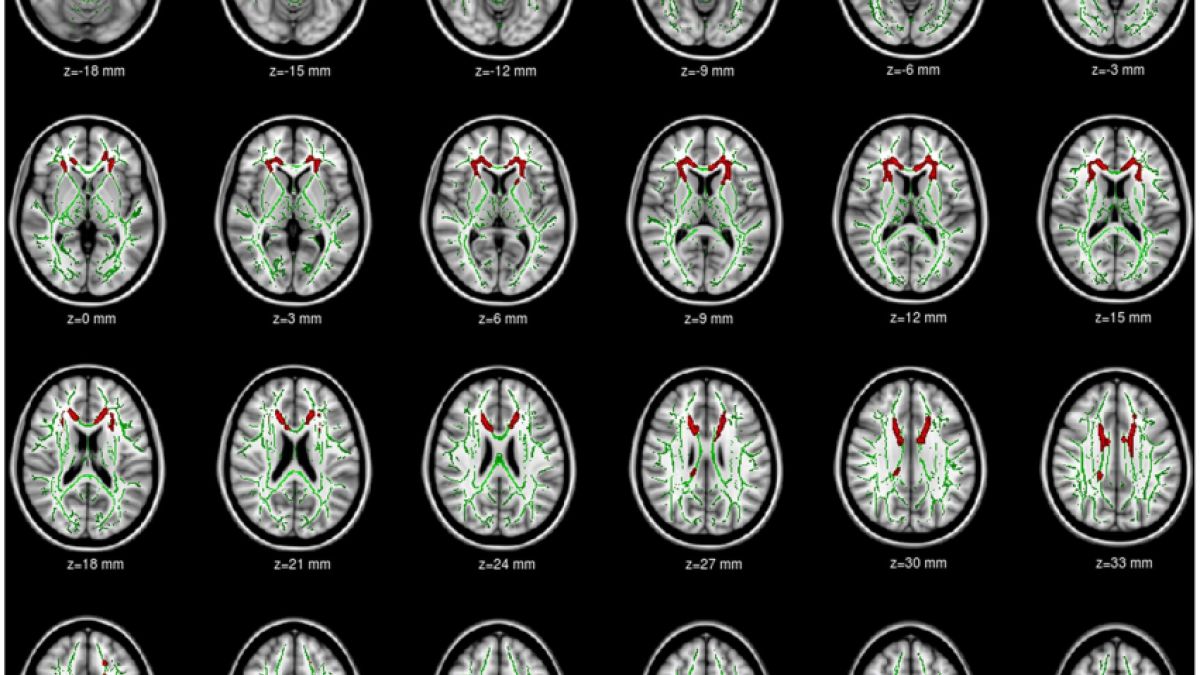
Excessive screen time affects brain structure and function. Studies show it can reduce gray matter in areas responsible for attention and emotional regulation, while hijacking dopamine pathways similar to addiction.

Real-World Impacts: Doomscrolling and Mental Health
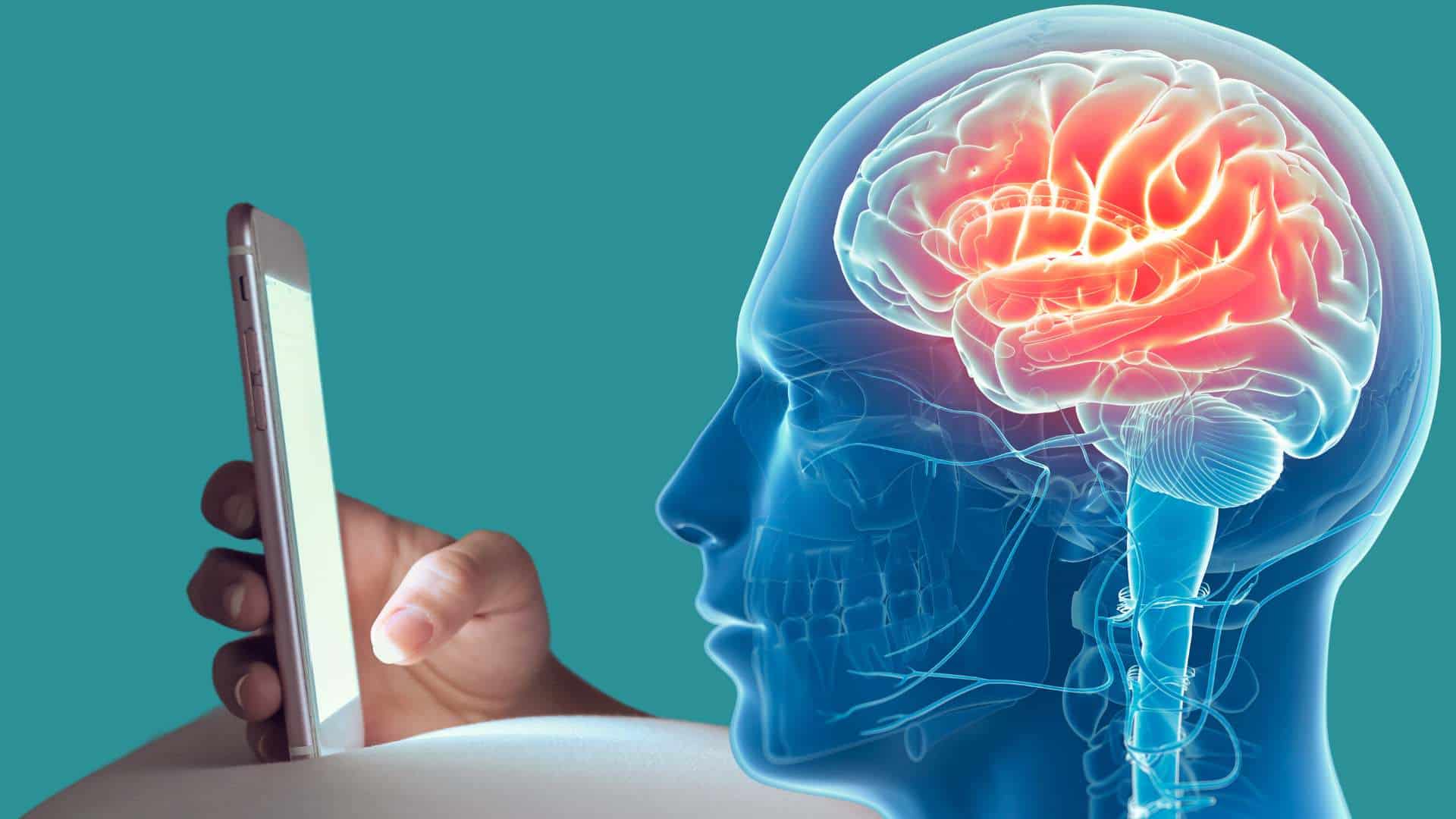
Doomscrolling – compulsively consuming negative or trivial content – leads to brain fog, anxiety, and reduced productivity. Many report feeling mentally drained after sessions on social media.
How to Combat Brain Rot
Experts recommend intentional digital habits to reverse the effects:
- Set strict screen time limits
- Practice mindfulness and meditation
- Engage in offline hobbies like reading or exercise
- Curate feeds for high-quality content
- Take regular digital detoxes

By adopting these practices, individuals can reclaim focus, creativity, and mental clarity in an increasingly digital world.


Commentaires
Enregistrer un commentaire